

Imagine waking up in a cozy nook where everything you own is just a few steps away. Tiny house living isn’t just a trend; it’s a movement that’s redefining how people think about home. With less space comes less stress, and let’s be honest—who wouldn’t want to trade a mortgage for a minimalist lifestyle that fits in the back of a pickup truck?
Overview of Tiny House Living
Tiny house living serves as a lifestyle choice focused on simplicity and sustainability. This movement emphasizes smaller homes that typically range from 100 to 400 square feet. Individuals seeking to downsize find that these homes encourage minimalism and financial freedom.
Housing costs significantly decrease in tiny homes, making homeownership more accessible for various income levels. Many people appreciate reduced utility costs, contributing to a lower overall environmental footprint. A smaller space fosters a clutter-free environment, promoting mental clarity and less stress.
Tiny house designs often feature innovative storage solutions, maximizing functionality within limited square footage. Craftsmanship and customized interiors add unique character to these homes. Communities of tiny houses often spring up, creating supportive networks of like-minded individuals.
Flexibility is a notable advantage of tiny living. Many owners opt for mobile tiny houses, allowing for travel and the exploration of diverse locations. This adaptability appeals to those wanting to break free from traditional, static lifestyles.
Moreover, tiny house living encourages intentional living, where individuals focus on experiences rather than possessions. Such a lifestyle aligns with growing trends toward sustainability and conscious consumption. As more people consider the benefits, tiny homes continue to gain popularity across various demographics.
Overall, tiny house living not only transforms spaces but reshapes lives, promoting a harmonious blend of simplicity, affordability, and community.
Benefits of Tiny House Living
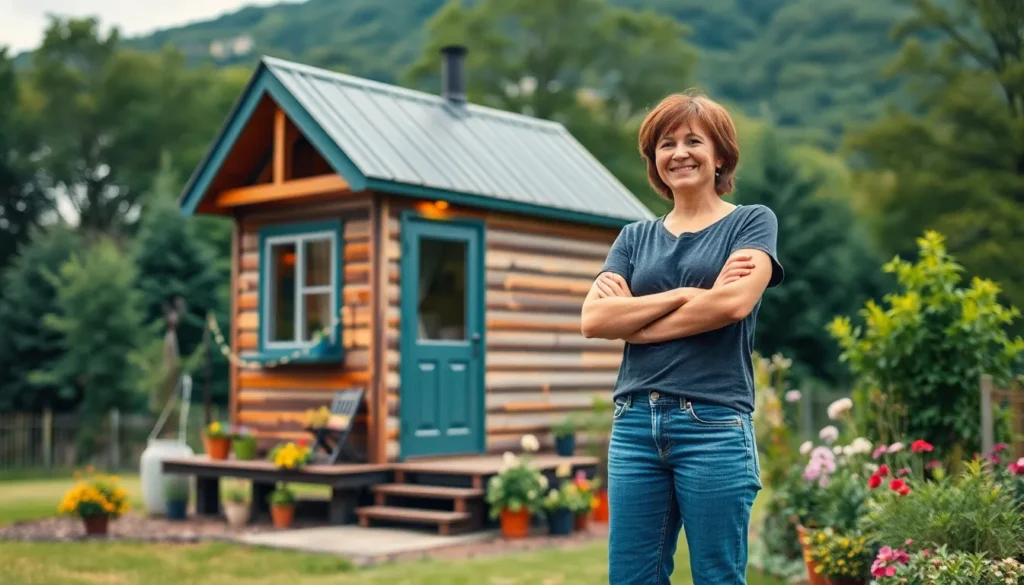
Tiny house living offers numerous advantages that appeal to those seeking simplicity and sustainability. Homeowners experience financial savings and a simplified lifestyle, making this choice increasingly attractive.
Financial Savings
Tiny homes drastically reduce housing costs, with prices often falling between $10,000 and $70,000. Limited square footage leads to lower utility expenses, with heating and cooling costs averaging 50% less than traditional homes. Mortgage payments shrink significantly, with many tiny house owners opting for minimal or no loans. Savings extend beyond housing; homeowners often enjoy lower maintenance costs as well. Property taxes are generally lower, adding to overall financial freedom.
Simplified Lifestyle
Living in a tiny house fosters a simplified lifestyle that emphasizes minimalism. Individuals minimize clutter, leading to enhanced mental clarity and reduced stress. Each square foot serves a purpose, promoting intentional choices regarding belongings. Many tiny house dwellers report greater satisfaction due to fewer distractions. Experiences become more valuable than possessions, strengthening interpersonal connections. This lifestyle aligns with sustainability trends, encouraging eco-friendly practices and conscious consumption. Community connections also flourish, as like-minded individuals share spaces and support one another in this intentional living journey.
Challenges of Tiny House Living
Tiny house living presents challenges that potential dwellers must consider. The limited space and various zoning regulations can complicate the experience.
Space Limitations
Space limitations pose significant challenges for tiny home residents. Each square foot must serve a distinct purpose, which often requires creative solutions. Many individuals struggle with decluttering due to emotional attachments to belongings. Efficient storage becomes crucial, as traditional furniture may not fit. Residents often invest in multi-functional furniture designed to maximize utility. Adjusting to the reduced space may lead to discomfort for those accustomed to larger homes. Overall, these constraints encourage simpler lifestyles but require well-considered modifications.
Zoning and Regulations
Zoning and regulations can impede tiny house living and vary significantly by location. Many municipalities enforce restrictive building codes that do not accommodate tiny homes. Obtaining permits can be a lengthy and complicated process in certain areas. Residents must navigate these regulations to find suitable lots or communities. Insufficient zoning options can limit the availability of legal parking spaces for mobile tiny houses. Understanding local laws and regulations is essential for successful tiny house ownership, ensuring residents avoid legal complications. Adaptability and research are crucial for overcoming these challenges.
Designing Your Tiny House
Designing a tiny house involves careful planning to maximize every square foot. Homeowners often find innovative ways to create functional spaces that feel open and inviting.
Space Optimization Techniques
Utilizing vertical space is crucial; installing shelves or cabinets that extend to the ceiling creates storage without sacrificing floor space. Multi-functional furniture, such as sofas that convert into beds or tables that fold away, enhances usability. Modular designs allow flexibility in rearranging areas to suit different needs. Incorporating built-in storage solutions, like under-bed drawers or hidden nooks, helps maintain organization. Choosing open floor plans can create an illusion of larger areas, making living spaces feel more spacious.
Essential Features
Prioritizing essential features contributes to overall comfort and functionality. Kitchens should include compact appliances designed for smaller areas, ensuring efficiency during meal prep. In terms of bathrooms, space-saving fixtures like corner sinks or shower stalls maximize utility. Ample natural light enhances mood and expands visual perception, so large windows are beneficial. Sustainable materials not only reduce environmental impact but also maintain durability. Outdoor spaces, like porches or decks, extend living areas and create opportunities for relaxation.
Real-Life Experiences
Tiny house living offers unique insights through real-life experiences. Exploring these personal stories reveals the transformative impact of this lifestyle.
Case Studies of Tiny House Dwellers
Several individuals share their journeys into tiny house living. One couple reduced their living expenses to $500 monthly by moving into a 200 square foot home. They now prioritize experiences over possessions, finding joy in simplicity. Another single professional embraced the minimalist approach, reporting significant improvements in mental clarity and overall happiness. Living in a tiny home allowed her to declutter her life and focus on meaningful relationships. Many tiny house dwellers emphasize how innovative designs helped them maximize available space, showcasing practical solutions for everyday living.
Community and Lifestyle
Tiny house communities create supportive networks among like-minded individuals. Neighbors often share tools, resources, and ideas, fostering collaborative living. Many enjoy communal gardens and shared spaces, enhancing friendships. Lifestyle choices center on sustainability and intentional living, guiding individuals to prioritize eco-friendly practices and reduce their environmental footprint. Events like potlucks and workshops strengthen bonds among residents while promoting shared learning experiences. Embracing this sense of community contributes significantly to the overall enjoyment of tiny house living, making the journey even more fulfilling for everyone involved.
Tiny house living represents a shift toward simplicity and intentionality that resonates with many. By embracing a smaller footprint individuals not only save money but also cultivate a lifestyle that prioritizes experiences over material possessions. The challenges of space and zoning can be daunting but the rewards often outweigh the difficulties.
As this movement grows more popular it fosters connections among those seeking a more sustainable way of life. Tiny house communities provide support and encouragement making the journey more enriching. For those ready to embrace this lifestyle the possibilities are endless. Tiny homes offer a path to financial freedom mental clarity and a deeper sense of community.


